Thông tin
Tin tức
ข้อควรระวังสำคัญเมื่อเล่นสล็อตบน PXJ – คู่มือสำหรับผู้เล่นที่ต้องการความปลอดภัยและโอกาสชนะสูงสุด
ประโยชน์ที่ได้รับเมื่อเล่นคาสิโนออนไลน์กับ PXJ แพลตฟอร์มยอดนิยมที่ผู้เล่นไทยให้ความไว้วางใจ
PXJ: จุดหมายปลายทางของเกมสล็อตออนไลน์ระดับท็อปในประเทศไทย ที่สายปั่นไม่ควรพลาด
ประสบการณ์เล่นสล็อตบน PXJ ที่คุณไม่ควรพลาด — สนุก เร้าใจ และเต็มไปด้วยโอกาสลุ้นรางวัล
PXJ ผู้นำแห่งวงการแทงบอลออนไลน์ – ประสบการณ์ระดับพรีเมียมที่ผู้เล่นไทยไว้วางใจ
บาคาร่าออนไลน์ที่ดีที่สุดในประเทศไทย ต้องเล่นที่ PXJ เท่านั้น
ทำไมควรเลือกเกมสล็อต Jili ที่ PXJ
เล่นเกมพนันออนไลน์อย่างปลอดภัยกับ PXJ: คู่มือสำหรับผู้เล่นทุกคน
เกมสล็อตพื้นฐานของ DK7 และประสบการณ์พิเศษบน PXJ
10 เกมสล็อต JILI ยอดนิยมที่สุดบน DK7 ที่ผู้เล่นไม่ควรพลาด
Thống kê
Đang online
25
Hôm nay
188
Hôm qua
104
Tổng truy cập
15372
Tổng sản phẩm
0
0 - 120,000 đ
Why Planning Ha Giang Loop Tours Costs Matters: A Comprehensive Guide for Travelers

Ha Giang, located in the far north of Vietnam, is a destination that captivates travelers with its dramatic landscapes, winding roads, and vibrant ethnic cultures. For many, experiencing the Ha Giang Loop tours is a once-in-a-lifetime adventure. However, planning these tours involves more than just choosing the route; understanding the costs associated with the journey is crucial to ensure a safe, enjoyable, and memorable trip.
In this article, we’ll dive into why Ha Giang Loop tours costs matter, how to budget effectively, and what to expect in terms of transportation, accommodation, and experiences. This guide will help travelers make informed decisions while maximizing the value of their journey.
1. Understanding the Ha Giang Loop Experience
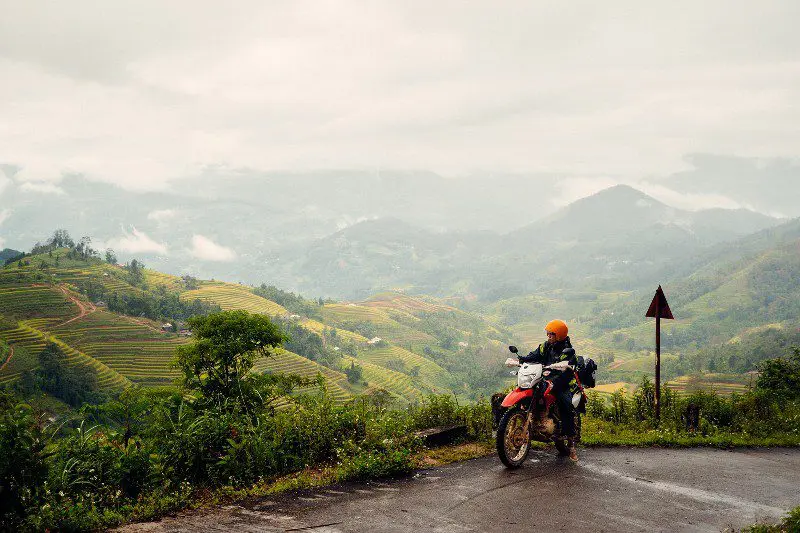
The Ha Giang Loop is a motorbike or car circuit that spans approximately 300 kilometers through some of Vietnam’s most breathtaking mountainous regions. Known for its winding roads, deep valleys, terraced rice fields, and ethnic minority villages, the loop attracts adventurers, photographers, and cultural enthusiasts alike.
Participating in a Ha Giang Loop tour allows travelers to:
2. Transportation Costs
Transportation is one of the largest expenses in Ha Giang Loop tours. The choice of travel mode greatly impacts your budget:
Motorbike Rental
3. Accommodation Costs
The Ha Giang Loop offers a variety of accommodation options, ranging from basic homestays to boutique hotels:
Homestays
4. Food and Beverage Expenses
While Vietnamese cuisine is generally affordable, travelers should factor in meals and snacks along the route:

5. Tour Guide and Activity Costs
Many travelers choose guided Ha Giang Loop tours for safety and enhanced experience. Guides provide local knowledge, navigation, and cultural insights:
6. Why Budgeting Matters
Understanding and planning Ha Giang Loop tours costs helps travelers avoid several common pitfalls:
Avoiding Hidden Expenses
The cost of Ha Giang Loop tours can vary significantly depending on the season:
8. Saving Tips Without Compromising Experience
Here are some practical tips to manage Ha Giang Loop tours costs effectively:
9. The Value of Investing in Quality
While it’s tempting to cut costs, investing in quality tours, reliable transport, and guided experiences offers returns in terms of:
Conclusion
The Ha Giang Loop is one of Vietnam’s most spectacular travel experiences. From winding mountain passes to colorful ethnic villages, it offers a unique blend of adventure, culture, and natural beauty. However, to fully enjoy this journey, understanding and planning Ha Giang Loop tours costs is essential.
By carefully considering transportation, accommodation, food, guide services, activities, and seasonal factors, travelers can ensure a safe, memorable, and stress-free adventure. Proper budgeting allows you to immerse yourself in the landscapes, connect with local communities, and truly experience the magic of Ha Giang.
Whether you are a solo traveler, couple, or family, taking the time to plan your expenses ensures that the Ha Giang Loop becomes more than just a trip — it becomes an unforgettable journey through one of Vietnam’s most beautiful regions.
If you need to send us an inquiry, please use our Inquiry Form, and a manager will respond to you within 8 working hours.
Or any emergency case. Please contact to our hotline as below
Hotline
+84. 855 452 888 (Viet Nam)
+1 (206) 665 3090 (US)
Email: info@vietgotravels.com
Website: vietgotravels.com
Head Office: No. 23 Lo Su Street, Hoan Kiem District, Ha Noi, Viet Nam.
Viet Nam’s branch: No. 35 Hang Quat Street, Hoan Kiem District, Ha Noi, Viet Nam.
US: 831 41st Pl, Everett, WA 98201, USA
In this article, we’ll dive into why Ha Giang Loop tours costs matter, how to budget effectively, and what to expect in terms of transportation, accommodation, and experiences. This guide will help travelers make informed decisions while maximizing the value of their journey.
1. Understanding the Ha Giang Loop Experience
The Ha Giang Loop is a motorbike or car circuit that spans approximately 300 kilometers through some of Vietnam’s most breathtaking mountainous regions. Known for its winding roads, deep valleys, terraced rice fields, and ethnic minority villages, the loop attracts adventurers, photographers, and cultural enthusiasts alike.
Participating in a Ha Giang Loop tour allows travelers to:
- Witness the stunning landscapes of Dong Van Karst Plateau Geopark
- Explore local markets and villages of the Hmong, Tay, and Dao communities
- Enjoy sunrise and sunset views over Ma Pi Leng Pass
- Immerse in traditional Vietnamese mountain culture
2. Transportation Costs
Transportation is one of the largest expenses in Ha Giang Loop tours. The choice of travel mode greatly impacts your budget:
Motorbike Rental
- Renting a motorbike is the most popular option. Prices range from $8 to $20 per day depending on the type of bike.
- Fuel costs can add up, especially on winding roads that require frequent gear changes. On average, travelers spend around $15–$25 for fuel during a 3-day loop.
- Optional insurance and safety gear rental may add $5–$10.
- Ideal for families or groups who prefer comfort and safety.
- Prices typically range from $50 to $120 per day, including driver and fuel.
- While more expensive, a car tour allows more flexibility in timing and weather-related adjustments.
- Less common but cheaper for budget travelers. Buses from Hanoi to Ha Giang cost around $10–$15, but reaching remote areas of the loop may require additional transport arrangements.
3. Accommodation Costs
The Ha Giang Loop offers a variety of accommodation options, ranging from basic homestays to boutique hotels:
Homestays
- The most authentic way to experience local culture.
- Prices range from $5 to $15 per night, often including traditional meals.
- Staying in homestays supports local communities and provides insight into ethnic minority lifestyles.
- Small guesthouses cost around $15–$30 per night with basic amenities.
- Boutique hotels or eco-lodges can reach $50–$100 per night.
4. Food and Beverage Expenses
While Vietnamese cuisine is generally affordable, travelers should factor in meals and snacks along the route:
- Street food and local eateries: $2–$5 per meal
- Homestay meals: $3–$7 per person
- Coffee or beverages in tourist areas: $1–$3
- Snacks for road trips: $5–$10 for the entire loop
5. Tour Guide and Activity Costs
Many travelers choose guided Ha Giang Loop tours for safety and enhanced experience. Guides provide local knowledge, navigation, and cultural insights:
- Private guides: $20–$40 per day
- Group tours: $15–$25 per day per person
6. Why Budgeting Matters
Understanding and planning Ha Giang Loop tours costs helps travelers avoid several common pitfalls:
Avoiding Hidden Expenses
- Fuel, repairs, or emergency services may add unexpected costs if unplanned.
- Entrance fees for natural parks or viewpoints often require cash payment.
- Renting reliable motorbikes or hiring experienced drivers may cost more but ensures safety on winding mountainous roads.
- Proper budgeting allows you to stay in comfortable accommodations and enjoy meals without compromise.
- Travelers who underestimate costs may skip activities or rush through destinations, missing the essence of the Ha Giang Loop.
- A well-planned budget ensures a stress-free, immersive adventure.
The cost of Ha Giang Loop tours can vary significantly depending on the season:
- Peak Season (October to December, March to April): Cooler weather and clear skies attract more tourists, leading to higher accommodation and tour prices.
- Off-Peak Season (May to September): Less crowded but may involve rain or slippery roads; costs may be lower, but safety and comfort need to be considered.
8. Saving Tips Without Compromising Experience
Here are some practical tips to manage Ha Giang Loop tours costs effectively:
- Book early for homestays and guided tours to lock in better rates.
- Travel in groups to share transportation and guide costs.
- Use local eateries for most meals while splurging occasionally on homestay specialties.
- Consider hybrid tours: mix self-guided motorbike days with guided tours for insights and safety.
- Check fuel and motorbike conditions in advance to prevent roadside expenses.
9. The Value of Investing in Quality
While it’s tempting to cut costs, investing in quality tours, reliable transport, and guided experiences offers returns in terms of:
- Safety on challenging mountain roads
- Authentic cultural encounters
- Efficient use of time to cover key destinations
- Peace of mind during a remote adventure
Conclusion
The Ha Giang Loop is one of Vietnam’s most spectacular travel experiences. From winding mountain passes to colorful ethnic villages, it offers a unique blend of adventure, culture, and natural beauty. However, to fully enjoy this journey, understanding and planning Ha Giang Loop tours costs is essential.
By carefully considering transportation, accommodation, food, guide services, activities, and seasonal factors, travelers can ensure a safe, memorable, and stress-free adventure. Proper budgeting allows you to immerse yourself in the landscapes, connect with local communities, and truly experience the magic of Ha Giang.
Whether you are a solo traveler, couple, or family, taking the time to plan your expenses ensures that the Ha Giang Loop becomes more than just a trip — it becomes an unforgettable journey through one of Vietnam’s most beautiful regions.
If you need to send us an inquiry, please use our Inquiry Form, and a manager will respond to you within 8 working hours.
Or any emergency case. Please contact to our hotline as below
Hotline
+84. 855 452 888 (Viet Nam)
+1 (206) 665 3090 (US)
Email: info@vietgotravels.com
Website: vietgotravels.com
Head Office: No. 23 Lo Su Street, Hoan Kiem District, Ha Noi, Viet Nam.
Viet Nam’s branch: No. 35 Hang Quat Street, Hoan Kiem District, Ha Noi, Viet Nam.
US: 831 41st Pl, Everett, WA 98201, USA
TIN TỨC KHÁC